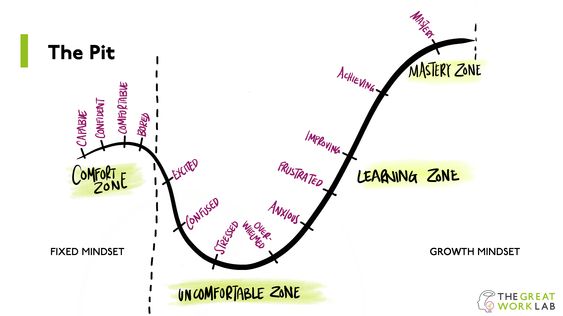
Believe it or not, this week ended another quarter. And in Ellevated Outcomes’ case, even though it closed on a high note (c/o our marquee Client Appreciation Event), it was personally my least favorite quarter this year. Do you ever have those stretches of time where nothing goes according to plan, and you feel like there are (figurative, of course) bullets coming at you from every direction? It happens to all of us. But alas: there are usually silver linings to dig up, from beneath the mud. That’s why: even when I least feel like it, I stick to our Quarterly Business Review (QBR) habit. In fact, I believe that the QBR ritual can help you see silver linings.
Though QBR is an Office Space-esque acronym, I promise you that a great quarterly business review is anything but a TPS report ; ) Done well, it’s colorful, dynamic, and engaging. It’s an opportunity to reflect on progress, celebrate wins, and continuously refine your vision and actions for the future.
Whether you’re a solopreneur conducting a self-evaluation or a small business owner with a team, when you’re disciplined about measuring your organizational performance (and communicating it to those around you), you’re better able to see and feel the progress within the process.
Why a Quarterly Business Review Matters
Measuring organizational performance every three months, allows you to:
- Celebrate accomplishments and build momentum
- Identify areas of improvement before they become larger issues
- Re-align on key priorities
- Ensure your financial health is on track
- Evolve as a leader, by reflecting on your growth
Here’s a simple outline to guide your Quarterly Business Review. And I will preface this by saying: I’m not as strict about these as I am Monthly 1-1s. QBRs are great, and I do believe that every business should do them, from solopreneur to Fortune 500 companies. BUT it’s totally okay to start small. If you do regular Annual Planning, step one is to simply add a QBR 6 months after that. Then, you can grow the frequency, bit by bit. In other words, if you skipped our Q1 prompt for this exercise, now is the perfect time to participate.
1. Revisit Your Mission, Vision, and Values
Start with re-grounding, in why your business exists.
- Mission: The core purpose of your business: What do you do? For whom? How?
- Vision: The future you’re working toward. How do you want to be perceived? How do you want people talking about you, 5 or 10 years from now?
- Values: The guiding principles that shape how you do your work.
Team Discussion or Personal Reflection
For each value, what’s an example from the last quarter, of how you, a team member, a client, or a vendor has demonstrated one?
2. Celebrate Wins and Progress
Before diving into challenges, take a moment to acknowledge successes.
- Key accomplishments from the past quarter
- Milestones hit (sales goals, projects completed, new hires, partnerships, etc.)
- Celebrations of individuals or projects who made a big impact
Team Discussion or Personal Reflection
If you have employees, invite them to share a personal win, team win, or someone else on the team whose efforts they want to celebrate. Not only does this set a positive tone and foster a culture of appreciation; it’s also an incredible way for everyone to get visibility into the invisible. As your business grows, you won’t be able to see everything (this is a good thing). So hearing others’ observations are incredible intel.
3. Financial Results and Key Performance Indicators (KPIs)
The most important topic in measuring organizational performance is the business’s financial health. There’s no way around it. The point of business is to make money, and it’s nothing to apologize about.
Yet I recognize: this one can be a little tricky and is often scary for someone with a team. It’s important to do an honest assessment of your team’s understanding of the finances and ensure you’re sharing the right amount of information with the right amount of context. Remember: for humans, money isn’t logical; it’s emotional. People need to tie the big picture numbers to: how does my job tie into this?
- Revenue v. Goal (received money)
- Projected Cash Flow v. Goal (booked projects/sales that mean cash is secured for the future)
- Pipeline
- Key Metrics specific to your business
Team Discussion or Personal Reflection
What is the story our numbers tell? Are we moving in the right direction, or do we need to adjust? What questions does the story push us to ask?
4. Assess the Completed Work and Lessons Learned
Look at the projects and initiatives from the past quarter:
- What worked well?
- What didn’t go as planned?
- What unexpected opportunities or challenges arose?
- What lessons should be carried forward?
Team Discussion or Personal Reflection
If you didn’t meet a goal, what contributed to the shortfall? Was it an unrealistic expectation? A resource gap? Unrealized assumption? Broken process?
5. Closing Gaps: Course Correction & Action Steps
Now, it’s time to translate this to: What’s next?
- Adjust goals and expectations if needed (without abandoning ambition)
- Make process updates, upskill, or tweak your technology to remove roadblocks
- Align priorities for focus in the next quarter
Team Discussion or Personal Reflection
What do you need to be successful next quarter within our current resources? (I’ve learned that it’s important to name resource constraint as a starting point; otherwise, people will default to adding more “stuff” that doesn’t actually solve the root of the problem).
6. Bring in Some Fun
QBRs don’t have to be dry. Add an engaging element like a:
- Team-building exercise
- Fun “most surprising lesson learned” or “best mistake” award
- Video
- Share of each person’s favorite moment from the quarter
- Theme or engaging storyline that runs throughout the QBR
Example
I’ve used a variety of themes and storylines over the years, from Warren Buffet’s investment principles (fun to me, ha), to Pantone’s color of the year, to the new flagship Tiffany & Co building in NYC. Get creative!
7. Looking Ahead: Action Plan for the Next Quarter
Wrap up with clarity on:
- The top 3 priorities for the next quarter
- How success will be measured
- Immediate next steps, to get momentum rolling
Team Discussion or Personal Reflection
Make sure everyone leaves the QBR with an understanding of measuring organizational performance in the next quarter and their role in achieving upcoming goals. Does everyone have a “just do it” action, to start the quarter strong? Also: end on an energizing note. Remind yourself and your team of the bigger picture, progress made, and the exciting opportunities ahead.
5 Tips & Tricks:
- Set a recurring date and time each quarter; also, schedule the recurring time to do the prep too.
- Keep a QBR journal to track themes over time.
- If you’re a team leader, ask the team discussion questions for constant engagement with the material; then, be quiet while others talk.
- Keep it simple, especially when it comes to numbers; focus on metrics that others care about and “touch.”
- If you’re a team leader, ask for feedback on the QBR process (#3 & #4 come from our team’s recent feedback).
QBRs Will Help Grow Your Business
Whether you’re running a one-person creative business or leading a team, a quarterly business review is a powerful way to stay intentional and evolve as a CEO. I have to admit: each quarter when I sit down to prepare for our QBRs, I whine to myself: “Do I have to?” Between prep and presentation, it’s ~1.5 days a quarter for me. But each and every time, I lean on this quote from the E-Myth to pull myself out of complaint land:
A big business is a small business that did the right things.